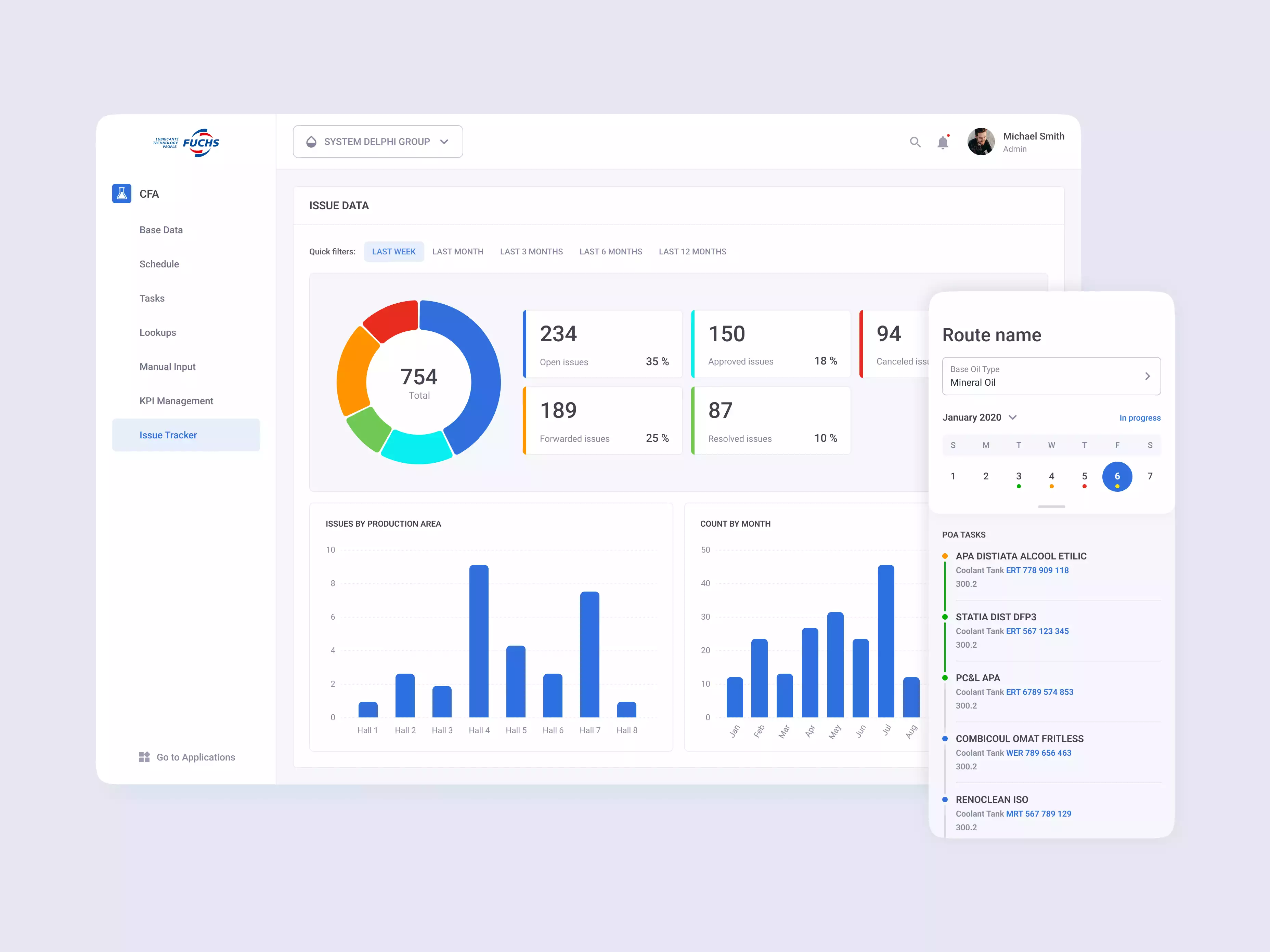
We reimagined the key enterprise management procedures for FUCHS, the world's No. 1 independent supplier of lubricants, empowering them to achieve a previously unattainable level of productivity.

Modernizing a Business-Critical Platform for a Global Mining Client


Emerline delivered a comprehensive modernization of a business-critical service platform for analyzing mining equipment lubrication data. The transition from legacy .NET Framework/Windows to a containerized (.NET Core/Linux) approach reduced operating costs, eliminated security risks (implementing RBAC), and achieved a 50% acceleration in reporting.
Client and Challenge
The client, a major player in the Mining sector, relied on a critical service platform for analyzing lubrication data. This platform was built on outdated technology, creating severe operational and financial challenges:
- High operational cost & technical debt. The system was dependent on the outdated .NET Framework and resource-heavy Windows VMs, leading to high maintenance costs and significant technical debt.
- Security gaps. The platform lacked proper security mechanisms, specifically Role-Based Access Control (RBAC), exposing the business to major risks.
- Slow operations. Inefficient data processing and slow feature delivery prevented managers from getting near-real-time digital performance analytics.
Methodology and Approach
Our approach focused on delivering cost-effective scalability and risk elimination through standardization and a strategic technical shift:
Technical stack migration
Move to .NET Core/Linux and Docker for containerization.
Security and governance
Implement RBAC and user auditing.
Code quality
Refactoring and applying design patterns to reduce technical debt.
Automation
Leveraging Azure for CI/CD and reporting integration.
Solution
The solution was a comprehensive modernization of the business-critical platform, transitioning to a cloud-native, containerized architecture to ensure reduced operational costs, risk elimination, and accelerated reporting. Key strategic steps:
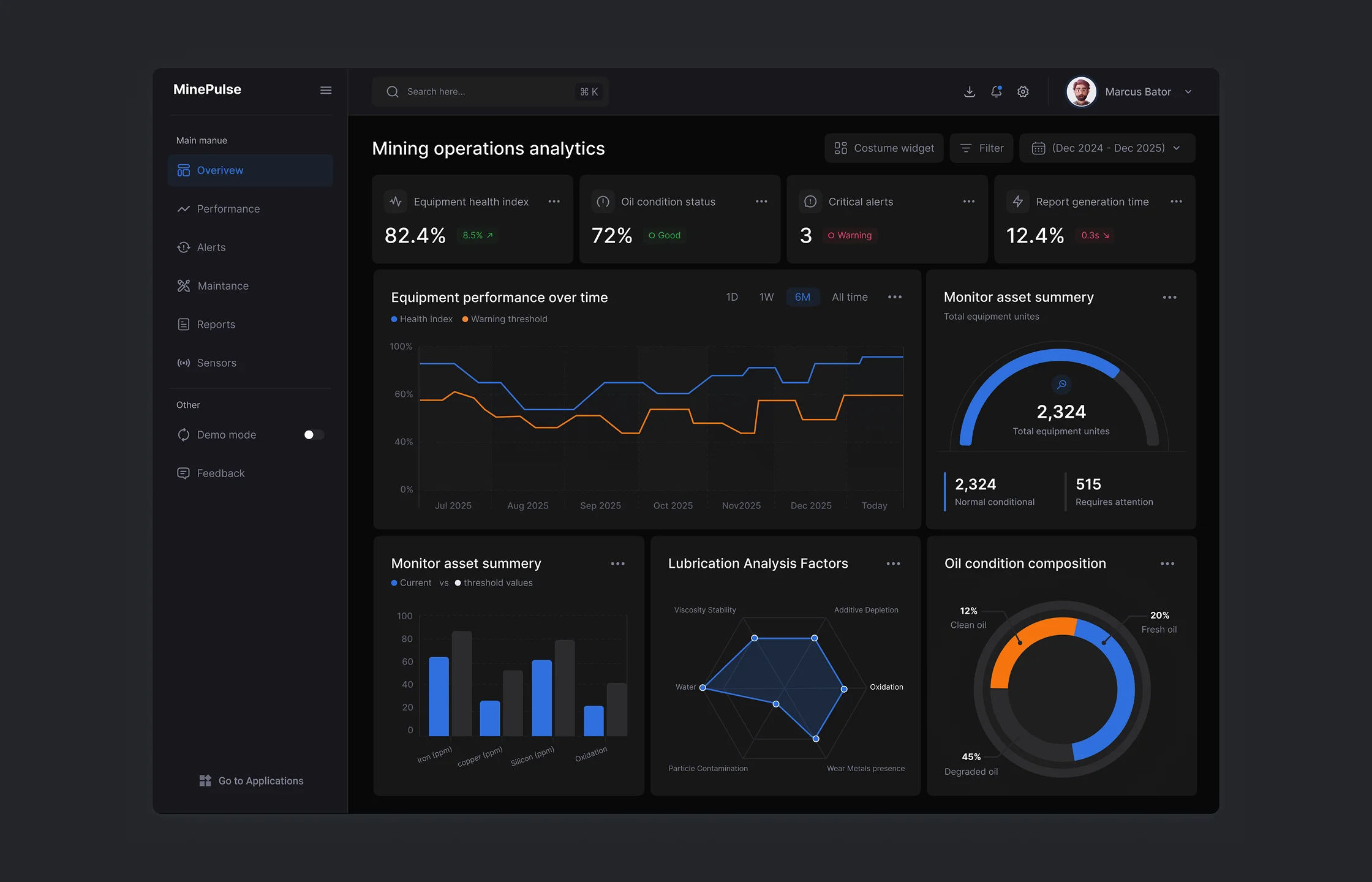
Technology stack migration
A strategic move was executed from the legacy .NET Framework to the efficient, cross-platform .NET Core/Linux environment, utilizing Docker for complete containerization.
Security and governance
Critical security gaps were addressed by implementing comprehensive RBAC (Role-Based Access Control) and user auditing across the platform.
Code quality refactoring
The chaotic legacy code was transformed by applying modern design patterns and refactoring to significantly reduce technical debt.
DevOps automation
Microsoft Azure was leveraged to implement robust CI/CD pipelines and reporting integration, ensuring standardized and rapid deployment cycles.
Technology Stack
Results and Business Value
The modernization successfully transformed the client's platform into a secure, cost-efficient, and powerful operational asset.
- Operational costs
Achieved 70% memory savings and reduced image size by 80% through transition to .NET Core and Linux containerization.
Key message: Cost-effective scalability – significantly lowered infrastructure costs.
- Reporting speed
Improved report generation speed by 50% via optimized data pipelines.
Key message: Tangible business speed – enabled near-real-time performance analytics for managers.
- Security & risk
Implemented role-based access control (RBAC) and user auditing.
Key message: Risk elimination – resolved critical security gaps and reduced high technical debt.
- Global reach
Enabled standardized deployment and scalability across four countries.
Key message: Standardization – transformed fragmented code into a maintainable, unified solution.
This case study demonstrates how targeted technical migration directly delivers faster, cheaper, and safer business operations. By moving a business-critical system from a technological liability to a secure, modern, and cost-efficient .NET Core/Linux platform, Emerline empowered the client's operations managers with the speed and reliability needed for a competitive advantage in the industrial sector.
More Case Studies
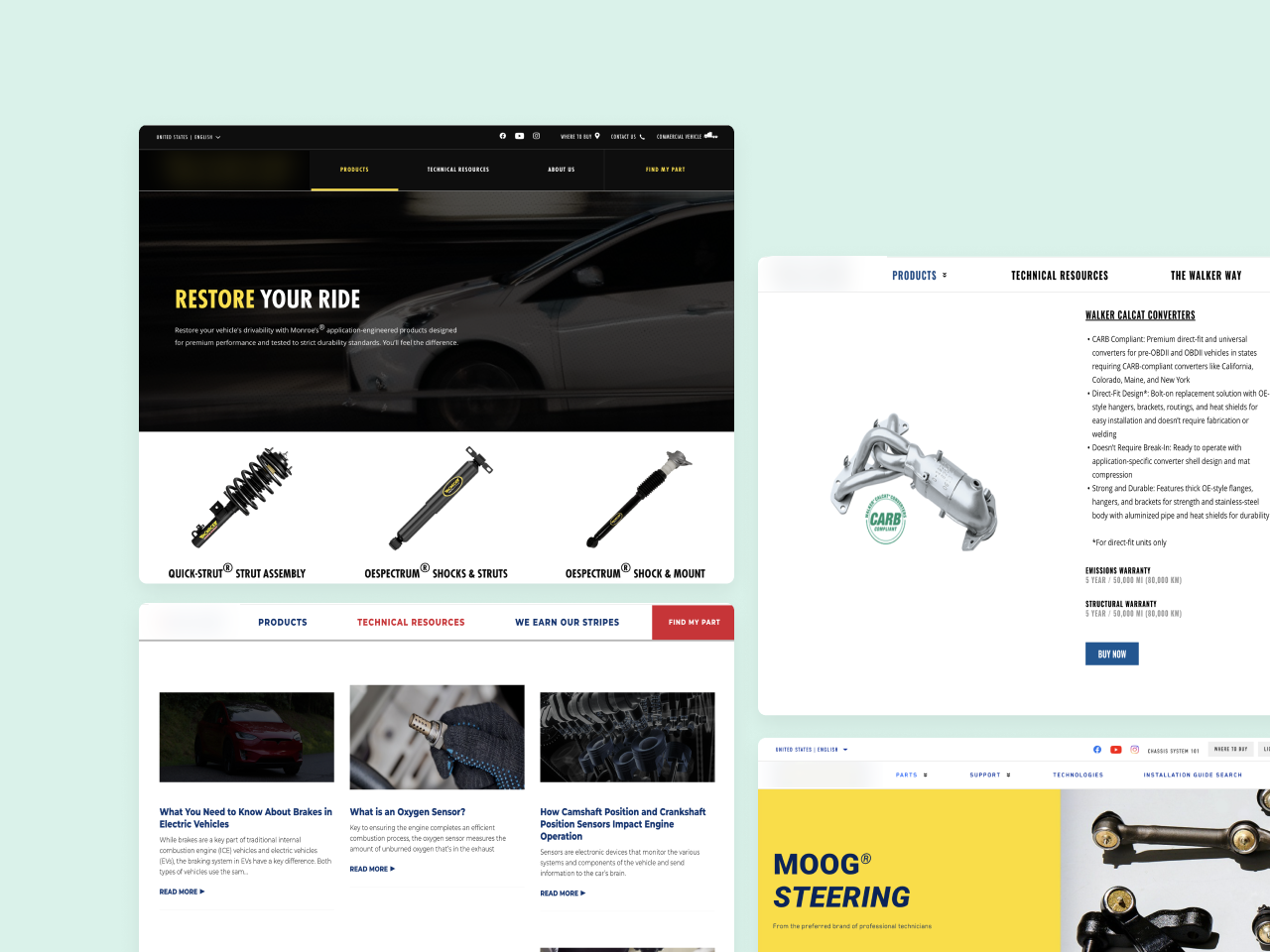
Migrating The Website and Revamping the Product Catalog for DRiV, The Large Automotive Parts Seller
We updated the front-end part of the corporate website and product catalog for DRiV, one of the largest automotive parts providers, to facilitate catalog management and provide intuitive user experiences.
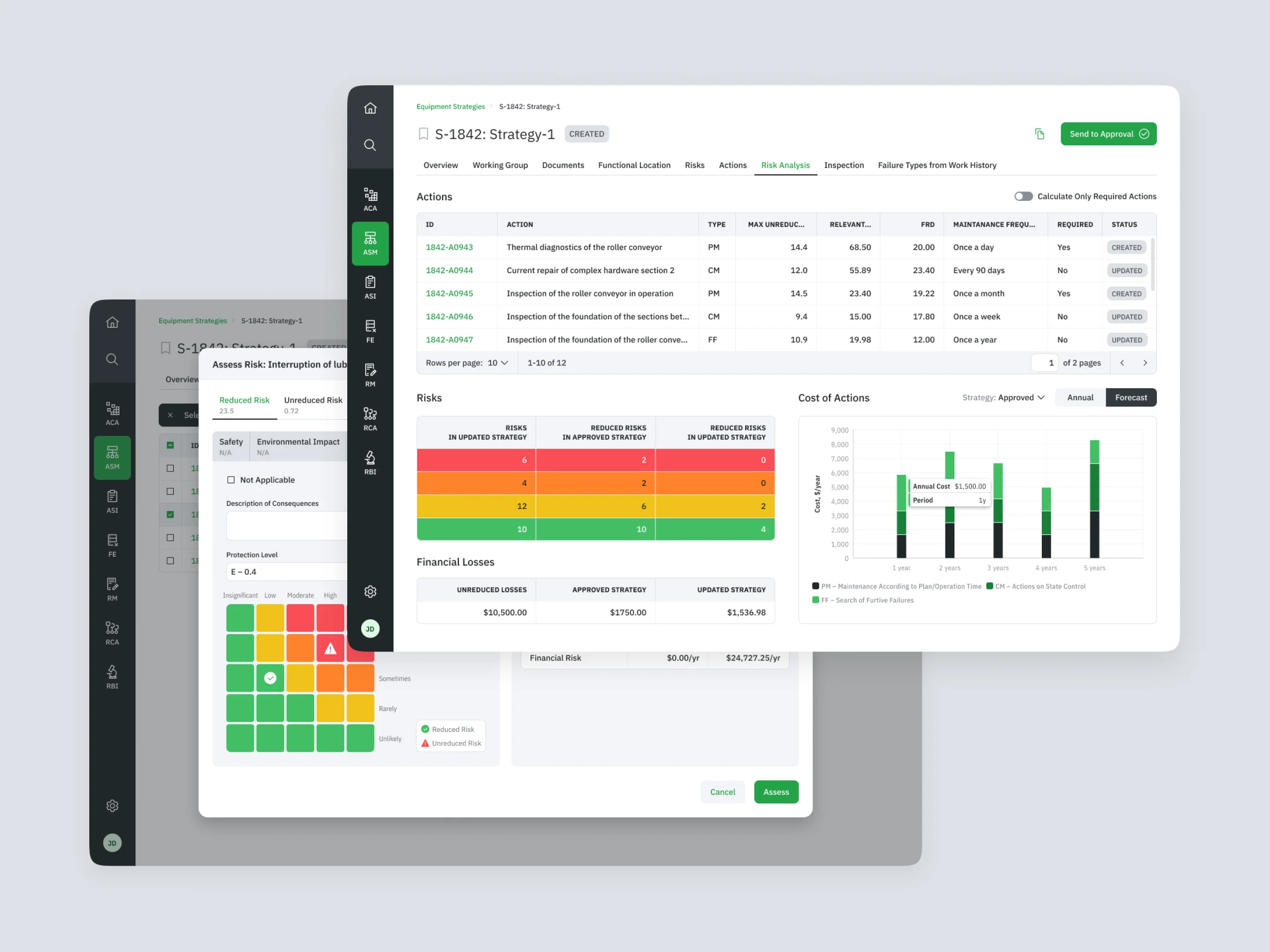
Building a Full-scale Predictive Maintenance Platform for the Large Iron and Mining Company
We reimagined the technical maintenance procedures for a large iron and mining manufacturer by building and integrating a full-scale predictive maintenance solution into their workflows.