





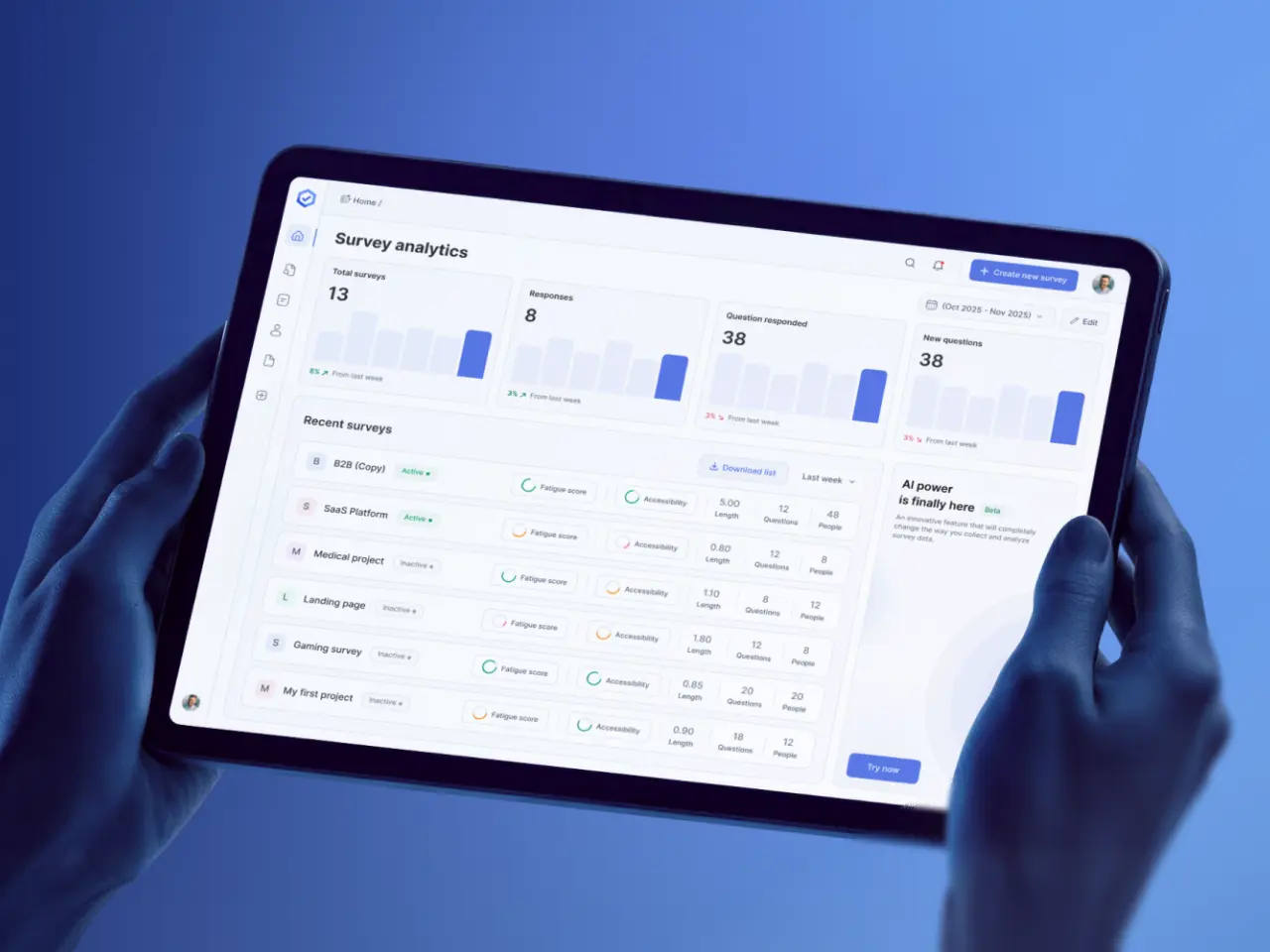
Emerline modernized a legacy PHP monolith into a hybrid PHP 8.3/Laravel service-oriented platform, boosting performance, cutting technical debt, and enabling future AI integrations.

Modernizing a Legacy Monolith into a Scalable B2B Global Logistics Platform


Overview
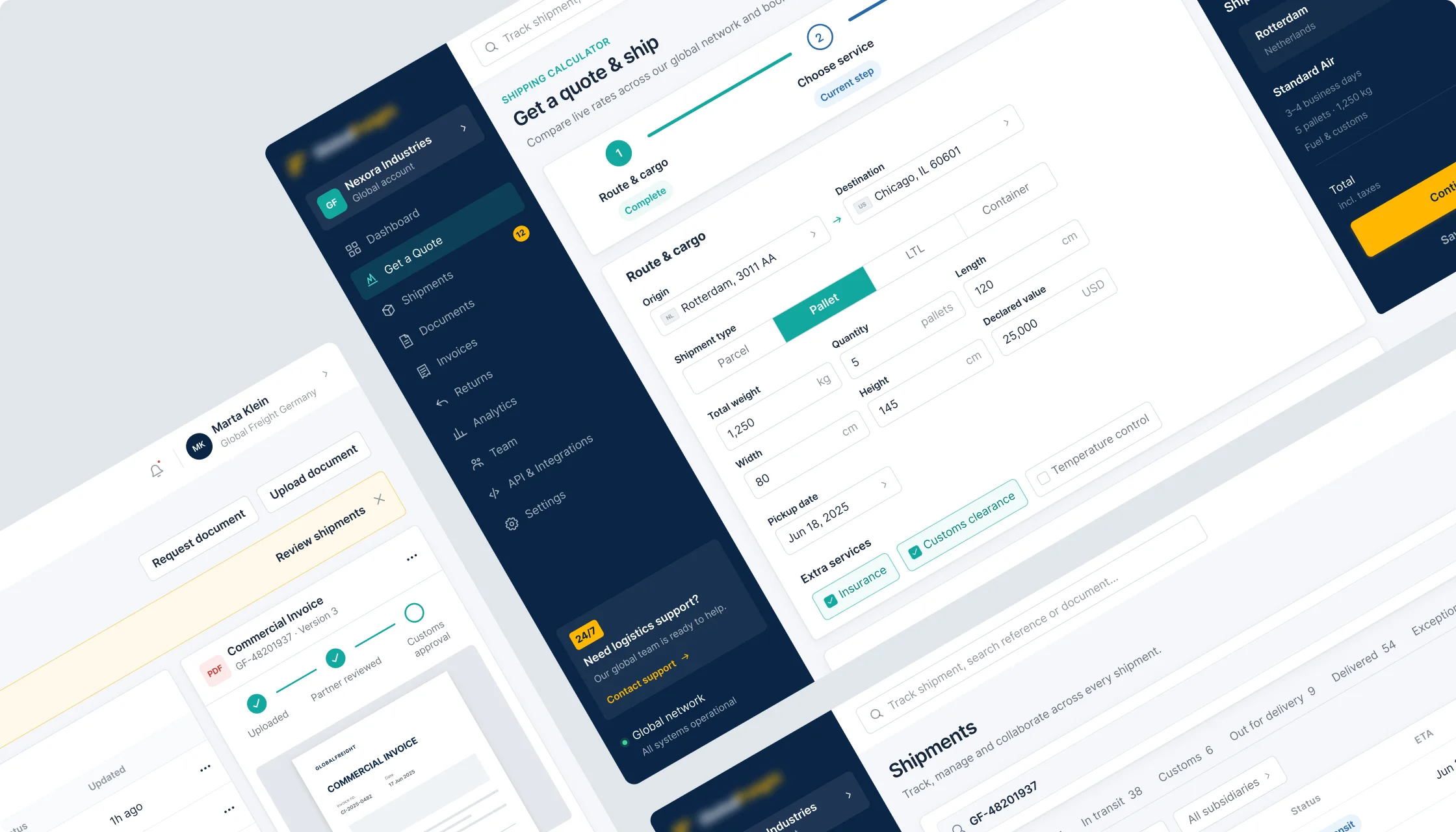
Emerline modernized a legacy logistics platform for a major global transport provider, upgrading from monolithic Zend 1 / PHP 5.6 to Symfony and PHP 8.3. By decoupling code into modular microservices and API-first integrations, the project eliminated peak-hour server overloads, enabled real-time tracking and document sharing, and established a scalable foundation for global expansion.
![]() Performance
Load resilience
Eliminated peak-hour downtime using a high-performance Symfony microservices architecture and Redis caching.
![]() Scalability
API-first ecosystem
Streamlined subsidiary connectivity and partner integrations via RESTful and GraphQL APIs with containerized CI/CD.
![]() Technical debt
Architectural overhead
Refactored monolithic legacy code into clean, modular Symfony components, drastically improving maintainability and feature velocity.
Client & Background
Our client is a major global transport and logistics provider operating in over 90 countries with a network of more than 3,000 offices and logistics facilities. Their public-facing website and platform — supporting customer integrations, shipment tracking, online shipping calculations, and document sharing — were built on legacy technologies: a monolithic Zend Framework 1 application running on PHP 5.6. Hundreds of files contained over a thousand lines each, mixing HTML, JavaScript, CSS, and business logic, making the platform difficult to maintain and scale.
To unlock global business growth, the client needed to modernize their public-facing platform, eliminate technical debt, and establish seamless API connectivity for partners and subsidiaries.
The primary objective was to engineer a scalable B2B logistics ecosystem offering real-time pricing and ordering, live shipment tracking with full predictability, unified document sharing, and robust access management across all markets.

Challenges
Slow request processing and peak hour overloads
High traffic caused slow responses and frequent downtime across customer portals, shipment tracking, and shipping calculations, frustrating users and increasing support costs.
Limited integration with subsidiaries and partners
Rigid architecture prevented connecting regional or subsidiary systems, creating operational silos and complicating automated partner data exchange.
Complex and hard-to-maintain codebase
Monolithic, spaghetti-style code with duplicated logic blocks made it difficult to fix bugs, add features, or onboard developers — slowing development cycles.
Inefficient shipment management and tracking
Lack of real-time visibility into shipments, returns, and delivery statuses caused delays, miscommunication, and repeated customer inquiries.
Limited tools for collaboration and documentation
Inefficient document sharing and workflow tools made operational collaboration on shipping paperwork, compliance, and approvals cumbersome.
Technical debt and performance bottlenecks
Accumulated technical debt, outdated PHP/Zend components, and inefficient database queries caused high maintenance costs, poor performance, and security risks.
Methodology
The project followed a Scrum-based Agile methodology with iterative cycles and tight collaboration across engineering, product, and operations teams, ensuring rapid delivery, alignment with user needs, and minimal disruption to ongoing operations.
- Functional analysis and architecture planning. Conducted in-depth analysis to design self-contained modules for shipment tracking, account permissions, document sharing, billing, and API integrations.
- Reengineered architecture and delivery strategy. Rebuilt the platform from a Zend 1 monolith into a modular Symfony architecture, featuring API-first design, decoupled Twig templates, optimized MySQL models, and containerized Docker deployments.
- Iterative development with TDD. Applied Test-Driven Development (TDD) to capture legacy behavior with automated tests before refactoring, ensuring regression-free incremental feature delivery.
- Service integration and platform extensibility. Integrated supplier systems, payment gateways, and notification services using Symfony Messenger and RabbitMQ queues for asynchronous event processing.
- Testing and automated deployment. Implemented unit, integration, and E2E tests alongside automated AWS CodePipeline CI/CD workflows and staging validation to guarantee release reliability.
- Phased rollout and change management: Executed a controlled release to early adopters, supported by Prometheus/Grafana monitoring, internal team training, and comprehensive technical documentation.
Solution
The project delivered a next-generation logistics platform by reengineering a monolithic PHP/Zend 1 system into a modular Symfony architecture. By introducing microservices, RESTful APIs, and an optimized database, the platform replaced tangled legacy code with a scalable foundation — accelerating release cycles and boosting global operational efficiency.
From monolith to modern platform
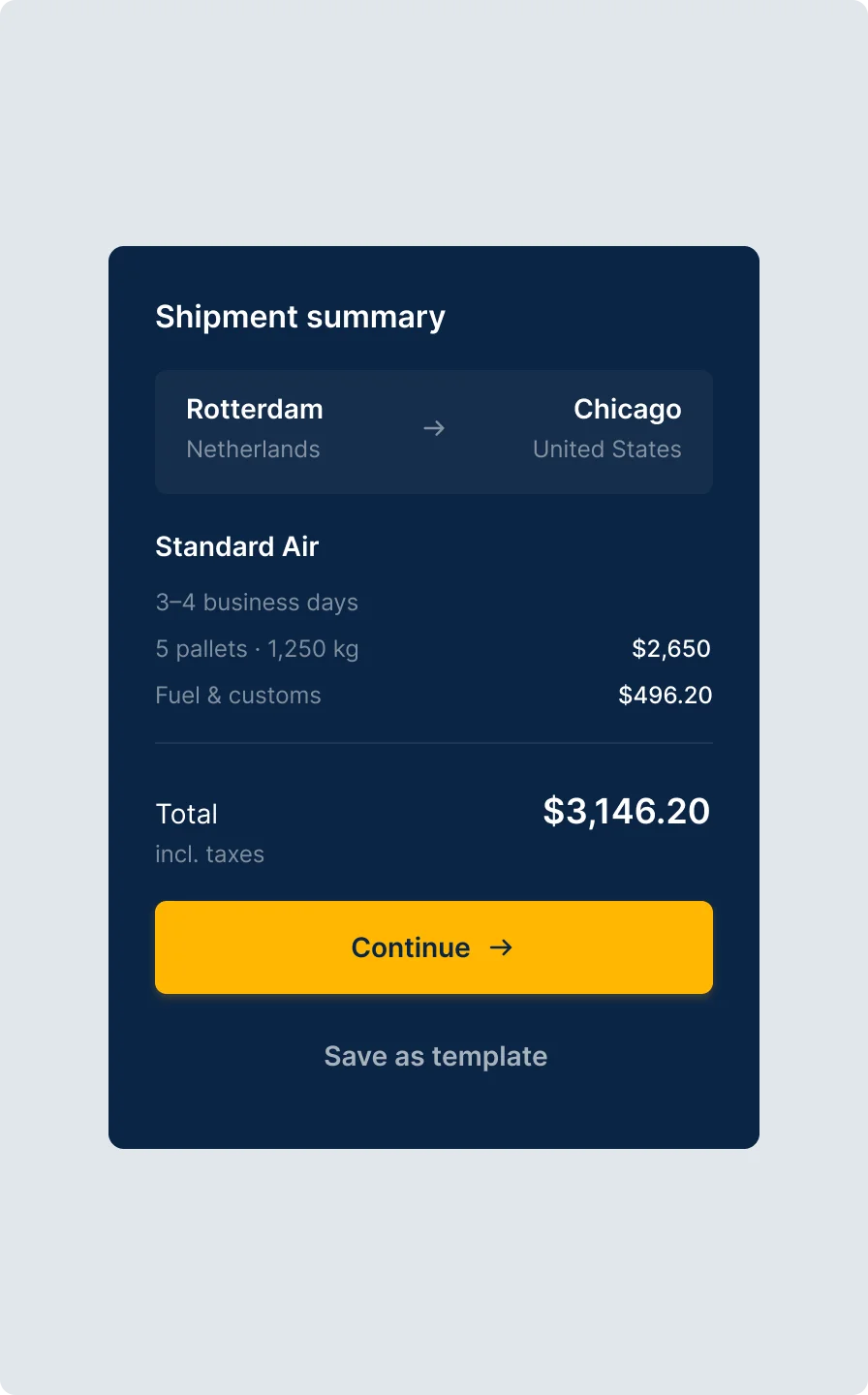
The project executed a complete architectural overhaul, replacing a monolithic Zend 1 and PHP 5.6 system with a modern, Symfony-based platform. Legacy code was refactored into a clean MVC structure, and MySQL databases were optimized and cached for high-load performance. By splitting core functionality into microservices and introducing RESTful APIs, the solution enabled parallel development and real-time data exchange — delivering a scalable platform built for global growth and system integration.
Modular, domain-driven architecture
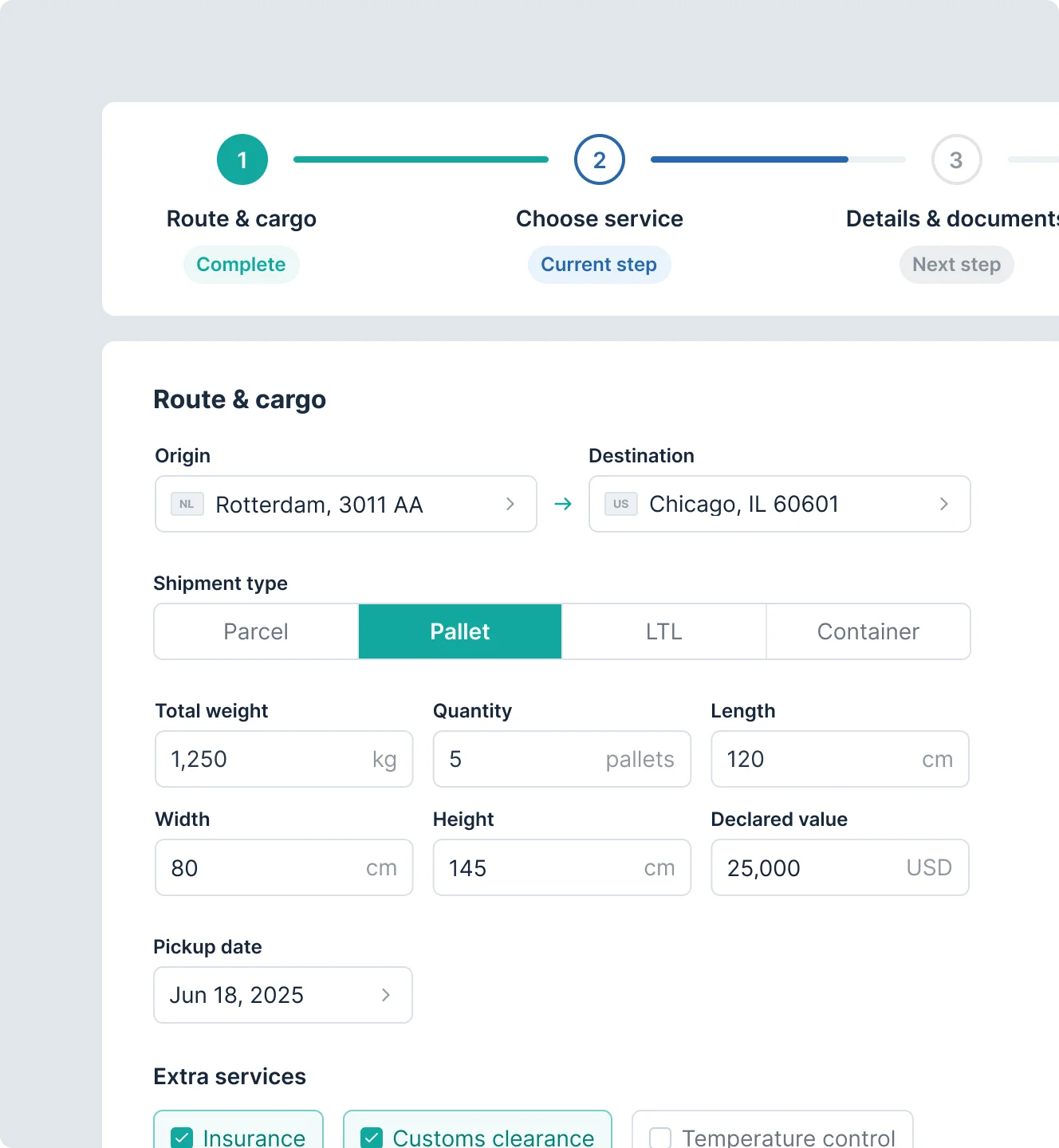
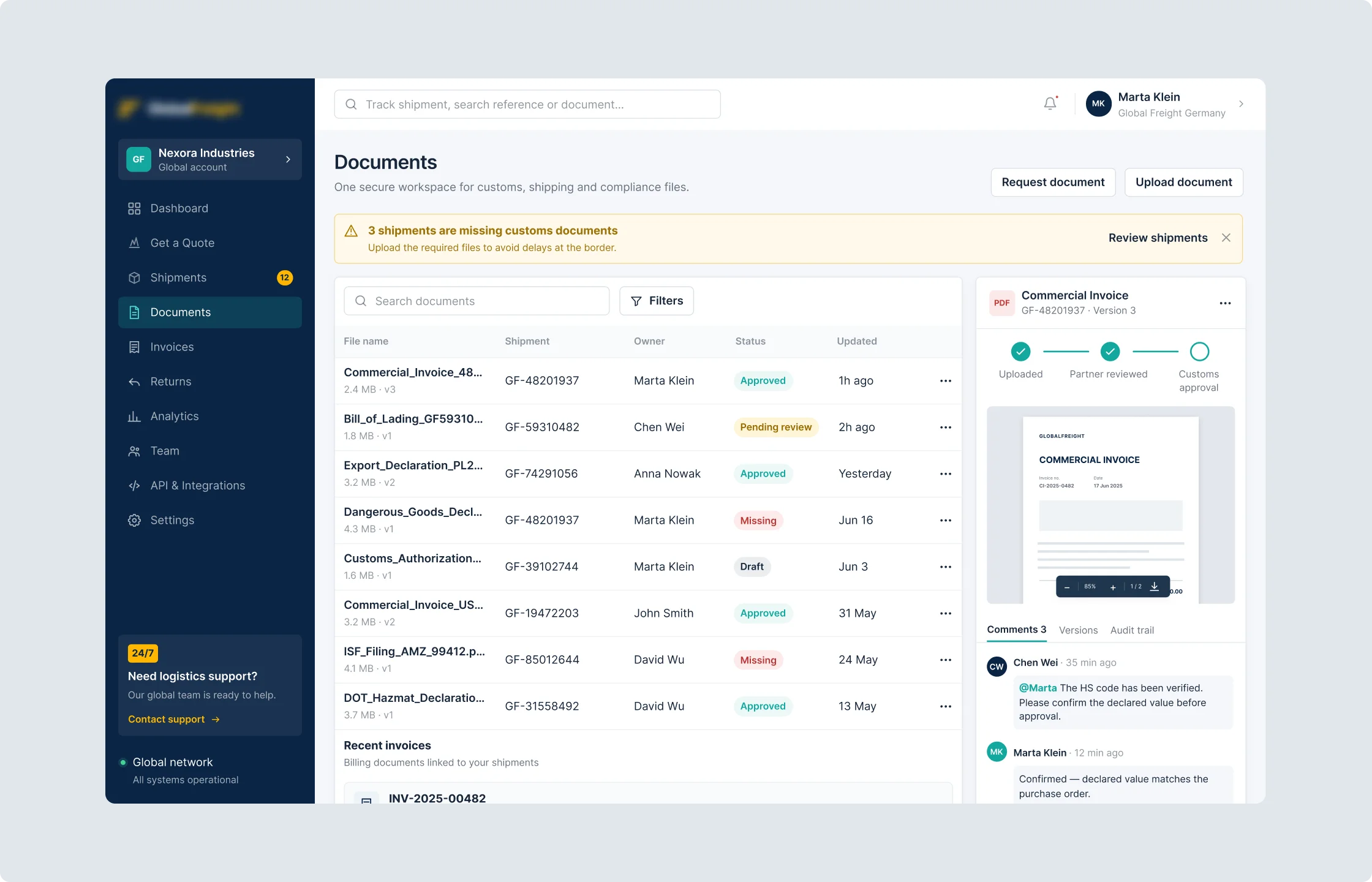
Key business domains — such as shipment tracking, document management, and partner integrations — were built as independent Symfony modules. This structure simplifies maintenance, enables parallel multi-team development, and isolates deployment risks. By allowing each module to scale independently, the platform delivers long-term flexibility and resilience for a growing global logistics network.
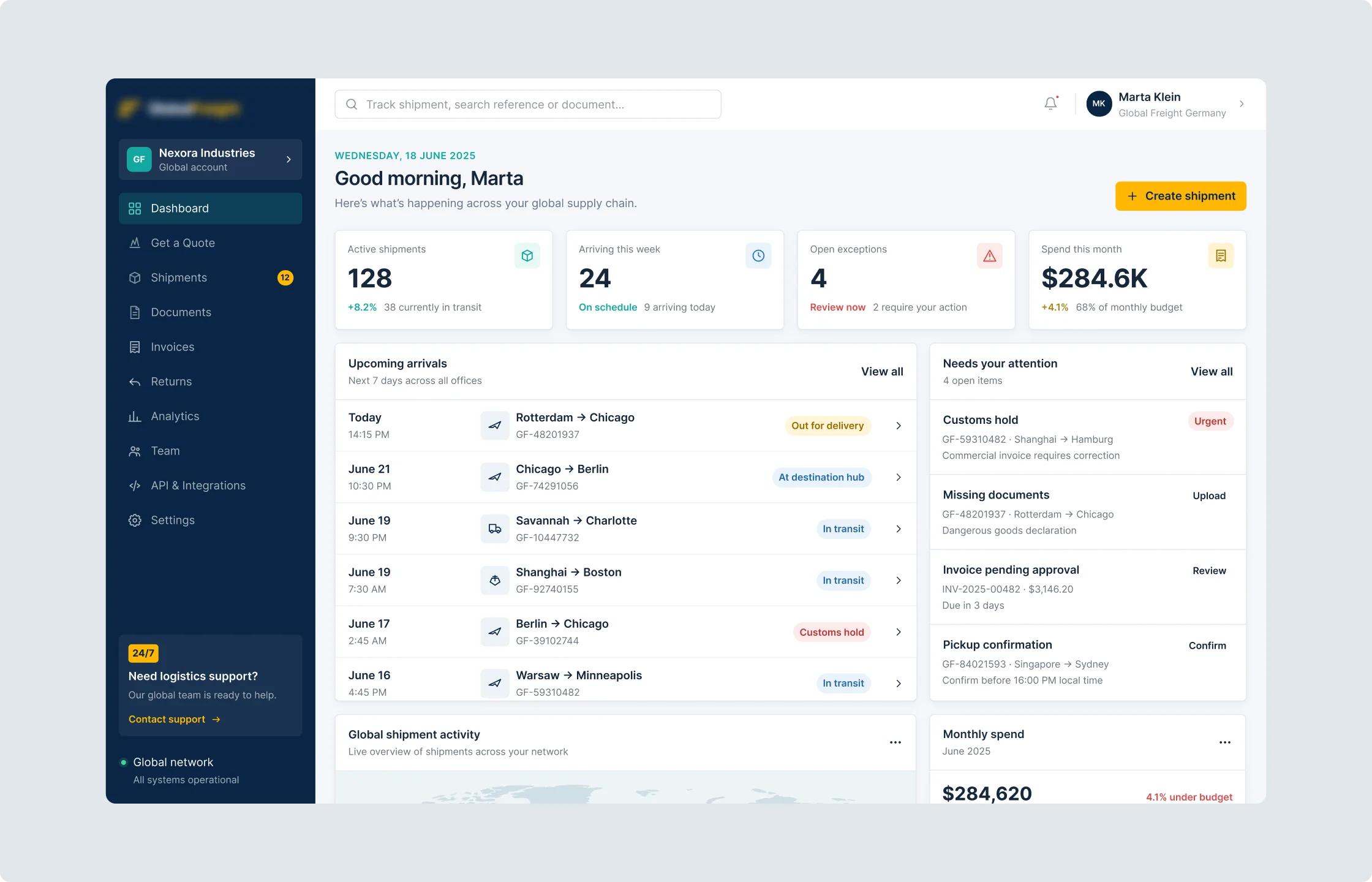
Unified web and API-first platform
To support global operations, the platform delivers a web system paired with Swagger-documented RESTful APIs, enabling partners and clients to integrate directly for real-time tracking and automated workflows. Accessible from anywhere for internal logistics teams, this API-first architecture eliminates operational delays and ensures seamless integration across a fast-moving, distributed network.
Centralized configuration and standardization
The platform enforces standardized patterns for configuration management, error handling, and environment setups to ensure system-wide consistency and maintainability. Automated CI/CD pipelines streamline deployments, while modular observability tools deliver real-time operational visibility — keeping platform health optimal and enabling rapid incident response.
Enhanced development efficiency and code quality
Agile practices, modular design, and test-driven development (TDD) established a streamlined, automation-led release workflow. Comprehensive unit, integration, and E2E testing safeguarded system stability and minimized regression risks as microservices were built in parallel. This disciplined approach accelerated delivery cycles and ensured reliable, high-quality software releases ready for continuous global innovation.
Technologies
The platform is developed from scratch using a modern technology stack centered around PHP 8.3 and the Laravel framework. This greenfield approach enables clean architecture, scalable services, and streamlined development practices across both backend and frontend components.
Backend & Database
PHP 8.3Symfony FrameworkAPI PlatformDoctrine ORMMySQLRedis
Frontend & APIs
TwigVue.jsRESTful APIsGraphQLWebhooks
AI-Assisted Engineering
Claude CodeOpenAI CodexAgentic AI WorkflowsAI-Assisted Software ArchitectureAI-Driven Code ReviewAI-Assisted DebuggingAI-Powered Test GenerationAI-Assisted Documentation
Cloud & Architecture
MicroservicesSymfony MessengerRabbitMQ (Message Queues)AWSDockerAWS CodePipelineGit
Quality & Monitoring
PHPUnitPHPStanPHP CS FixerPrometheusGrafanaSentry
Ready to modernize your legacy infrastructure or build a scalable global logistics platform?
Results
Crystal-clear visibility
Real-time updates and automated workflows provide complete tracking transparency, reducing delays and ensuring predictable delivery planning.
Effortless connectivity
Customer- and partner-facing APIs eliminate manual data entry and fragmented processes, creating fully automated workflows that reduce operational errors.
Streamlined operations
Document management and shipping workflows are optimized for speed and clarity, helping teams get more done with less effort while boosting customer satisfaction.
Transforming logistics challenges
Operational chaos and rigid processes were replaced with streamlined, automated workflows that adapt rapidly to evolving market demands.
![]() Performance
Load resilience
Eliminated peak-hour downtime using a high-performance Symfony microservices architecture and Redis caching.
![]() Scalability
API-first ecosystem
Streamlined subsidiary connectivity and partner integrations via RESTful and GraphQL APIs with containerized CI/CD.
![]() Technical debt
Architectural overhead
Refactored monolithic legacy code into clean, modular Symfony components, drastically improving maintainability and feature velocity.
More Case Studies
all case studies
Implementing a Custom AI-Powered LMS for a Global Consulting Firm
Emerline transformed corporate learning for a leading global consulting firm by delivering a custom AI-powered LMS that generated over £7.5M in annual operational savings.